
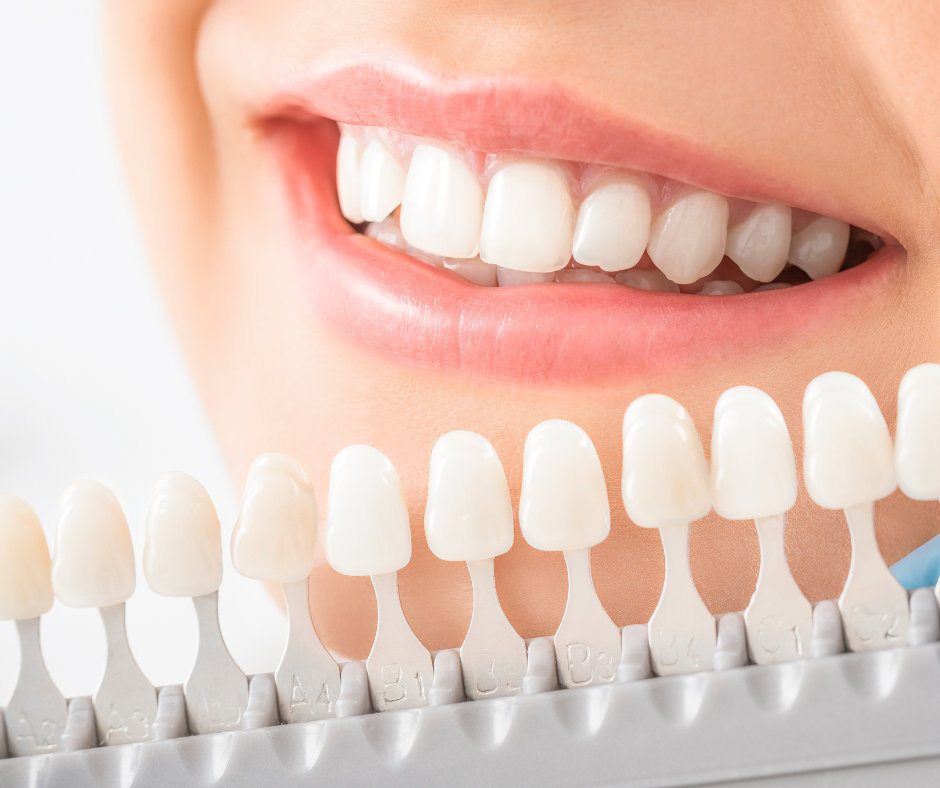
Parents want the best for their children, from healthy meals to safe activities, and of course, strong, bright smiles. In today’s world, many families are exposed to a wide range of dental products, including whitening toothpastes, strips, gels, and mouthwashes. While teeth whitening is generally safe for adults when used correctly, it is not recommended for children — and understanding why can help parents make informed choices for their child’s oral health.
In this article, we’ll explore why kids shouldn’t use whitening products, the potential risks involved, and safer alternatives for maintaining a healthy, naturally bright smile.
1. Children’s Teeth Are Still Developing
One of the main reasons children should avoid whitening products is that their teeth are still developing. Kids’ teeth are different from adult teeth in several ways:
- Thinner enamel: The protective outer layer of a child’s tooth, called enamel, is thinner than that of an adult. Whitening products can be harsh and may cause sensitivity or irritation when applied to thin enamel.
- Ongoing mineralization: Children’s teeth continue to mineralize and harden as they grow. Exposure to whitening agents can interfere with this natural process, potentially weakening the enamel over time.
- Mixed dentition: Children often have a mix of baby teeth (primary teeth) and permanent teeth. Whitening products are formulated for adult teeth, not for this delicate combination. Using these products on baby teeth may lead to uneven color results and increase the risk of damage.
Because of these developmental differences, dentists generally recommend waiting until all permanent teeth have erupted — usually around age 12 or older — before considering whitening treatments.
2. Potential Risks and Side Effects
Even for adults, teeth whitening products carry some risks. For children, these risks can be amplified because their teeth and gums are more sensitive. Here’s what parents should know:
a. Tooth Sensitivity
Whitening products often contain hydrogen peroxide or carbamide peroxide, which penetrate the enamel to lighten stains. While effective for adults, these chemicals can irritate a child’s teeth, causing temporary or prolonged sensitivity. This can make eating, drinking, or even brushing uncomfortable.
b. Gum Irritation
Children’s gums are more delicate than adult gums. Whitening strips, gels, or trays that touch the gums can lead to redness, soreness, or even minor burns. Children may find the discomfort discouraging and may resist brushing or other dental care, leading to other oral health issues.
c. Uneven Whitening
Because children’s teeth are still developing, using whitening products can result in uneven coloring. Permanent teeth may respond differently than baby teeth, and certain areas of enamel may lighten more than others, leading to a patchy or unnatural appearance.
d. Overuse or Misuse
Children may not fully understand how to safely use whitening products. Overuse — applying too much gel, leaving strips on too long, or swallowing toothpaste or gel — can increase the risk of irritation, stomach upset, and enamel damage.
3. Staining vs. Natural Color
Many parents may worry that their child’s teeth are “too yellow” or “not white enough.” It’s important to understand that children’s teeth naturally have a range of shades, and slight discoloration is normal.
- Baby teeth: Primary teeth tend to be naturally lighter or slightly translucent, which may appear yellowish at times. This is completely normal and does not indicate poor oral hygiene.
- Permanent teeth: Even permanent teeth naturally have a slightly off-white color. Genetics, diet, and enamel thickness play a role in the exact shade.
Using whitening products to achieve a “Hollywood white” smile is not necessary for children and may do more harm than good. The focus should be on maintaining healthy teeth and gums rather than cosmetic perfection.
4. Safer Ways to Maintain a Bright Smile
While whitening products aren’t safe for kids, there are many effective ways to keep their teeth clean, healthy, and naturally bright:
a. Proper Brushing and Flossing
The foundation of a healthy smile is regular brushing and flossing:
- Brush twice a day with a child-appropriate fluoride toothpaste.
- Use a soft-bristled toothbrush to avoid damaging enamel or irritating gums.
- Floss once a day to remove plaque and food particles between teeth.
Encouraging good oral hygiene habits from a young age sets the stage for lifelong dental health and reduces staining naturally.
b. Regular Dental Checkups
Routine visits to a pediatric dentist, like Fort Dental Kids Dentistry & Orthodontics, are essential. Professional cleanings remove plaque and tartar that brushing and flossing alone can’t reach. Dentists can also provide guidance on diet, oral care products, and any concerns about tooth color.
c. Healthy Diet
Certain foods and drinks can contribute to staining or discoloration. Encourage children to eat a balanced diet and limit sugary, acidic, or dark-colored beverages like soda, juice, and sports drinks. Water is the best choice for hydration and maintaining healthy teeth.
d. Protective Products
- Fluoride toothpaste helps strengthen enamel and prevent decay.
- Sealants applied by a dentist can protect permanent molars from staining and cavities.
- Mouthguards for sports prevent trauma that can discolor teeth.
These protective measures help maintain naturally bright teeth safely, without the need for harsh whitening products.
5. When Whitening Might Be Considered
There are rare situations where a dentist may consider whitening for older children or teens:
- Discoloration from medication or trauma: Certain medications, like tetracycline, or injuries to a tooth can cause discoloration that may be addressed professionally.
- Orthodontic treatment: Some teens may notice staining around braces after treatment; dentists can guide safe options.
In these cases, whitening should only be done under professional supervision with products appropriate for the child’s age and dental development. Over-the-counter whitening is still not recommended.
6. Choosing the Right Products
If you’re looking for ways to brighten your child’s smile safely, here’s what to look for:
- Fluoride toothpaste designed for children. Fluoride strengthens enamel and helps prevent decay.
- Mild, non-abrasive toothpastes that clean teeth effectively without damaging enamel.
- No whitening gels or strips until the dentist specifically recommends them.
Always check labels and consult your pediatric dentist before introducing any new oral care product.
7. Teaching Kids About a Healthy Smile
Beyond products, teaching children the value of a healthy smile is key. Encourage:
- Brushing and flossing as a fun routine, not a chore.
- Drinking water and making healthy snack choices.
- Regular dental visits as a positive experience, emphasizing care rather than fear.
By focusing on health rather than cosmetic perfection, children develop lifelong habits that lead to naturally bright smiles — without the need for whitening products.
8. The Takeaway
Whitening products are not safe for children because their teeth are still developing, their enamel is thinner, and their gums are more sensitive. Over-the-counter whitening gels, strips, and certain toothpastes can lead to irritation, uneven color, and enamel damage.
Instead of whitening, parents should focus on:
- Consistent oral hygiene (brushing and flossing)
- Healthy eating habits
- Regular dental visits
- Protective dental products like fluoride toothpaste and sealants
These steps will keep your child’s teeth healthy, strong, and naturally bright.
At Fort Dental Kids Dentistry & Orthodontics, we prioritize your child’s safety and oral health first. If you have questions about your child’s teeth or are considering whitening in the future, our team can provide professional guidance and safe options tailored to your child’s needs.
Remember, healthy teeth are naturally beautiful — and the best smile your child can have is a healthy one. 🦷💙