Orthodontic treatment does more than create a beautiful smile — it supports your overall health.
Your oral health is closely connected to your overall well-being. Issues like misaligned teeth, difficulty chewing, or shifting jaws shouldn’t be ignored. When left untreated, orthodontic problems can lead to tooth decay, gum disease, abnormal enamel wear, and even tooth loss.
Orthodontic treatment can help you:
Improve proper teeth and jaw function
Create a balanced, healthy smile and facial structure
Maintain a comfortable bite for easier chewing and speaking
Make teeth easier to clean, reducing the risk of decay
Prevent more costly dental problems in the future

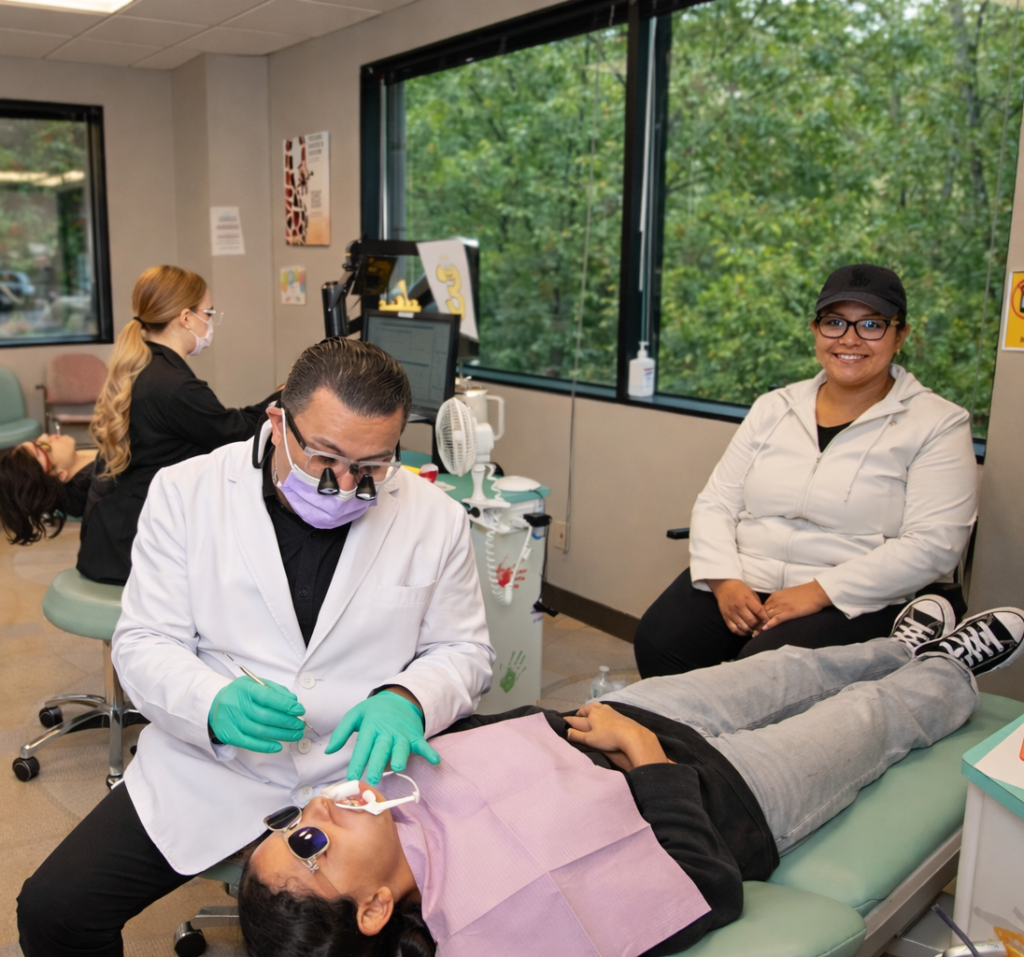
Proper biting and chewing depend on teeth that fit and function together. That’s why orthodontic treatment is an important part of your child’s overall oral health. Beyond creating a beautiful smile, orthodontic care helps build a strong, healthy foundation that supports your child’s teeth for a lifetime.
Not sure if it’s time to see an orthodontist? Here are a few signs to watch for:
Early or Late Loss of Baby Teeth
While some variation is normal, losing baby teeth too early or too late can affect how permanent teeth come in.
Difficulty Chewing or Biting
Eating shouldn’t be painful. Ongoing discomfort while chewing may signal a bite issue that needs attention.
Mouth Breathing
Frequent mouth breathing can influence jaw development and tooth alignment over time.
Jaws Shifting or Clicking
If your child’s jaw shifts, clicks, or causes discomfort, it may indicate a bite imbalance.
Frequent Cheek Biting
Constant cheek biting can mean the upper and lower teeth aren’t fitting together properly.
Facial Imbalance
Teeth and jaw alignment play a big role in facial development. A misaligned jaw can affect the shape and balance of your child’s smile and profile.
If you notice any of these signs, an orthodontic evaluation can provide clarity and peace of mind. Early guidance can help ensure healthy development and a confident, comfortable smile.
Only a dentist or orthodontist can determine whether a patient can benefit from orthodontics. Based on diagnostic tools that include a full medical and dental health history, a clinical exam, plaster models of your teeth, and special X-rays and photographs, an orthodontist or dentist can decide whether orthodontics are recommended, and develop a treatment plan that's right for your child.
Around age 7, children have a mix of baby (primary) and permanent teeth. A check-up as permanent teeth take the place of baby teeth, and as the face and jaws are growing, gives the orthodontist a wealth of information.
If a problem exists, or if one is developing, your orthodontist is able to advise you on whether treatment is recommended, when it should begin, what form treatment will take, and estimate its length. Remember, there is a difference between an orthodontic check-up and actually starting orthodontic treatment.
Teeth that are crooked or not in the right place can also detract from one's appearance. The benefits of orthodontic treatment include a healthier mouth, a more pleasing appearance, and teeth that are more likely to last a lifetime.
Orthodontic treatment helps ensure proper function of teeth and create healthy smiles. A good bite makes it easier for you to bite, chew and speak. Teeth that are misaligned are harder to clean and can cause abnormal wearing of tooth enamel which can lead to extensive and expensive dental procedures.
If you have any of the following, you may be a candidate for orthodontic treatment:
The purpose of orthodontic treatment is to create a healthy, functional “bite,” which is part tooth alignment and part jaw position. When jaws and teeth line up correctly, they are able to function as nature intended. This promotes oral health and general physical health. Here are some of the possible treatment tools we use:
Orthodontic treatment is not a quick fix — it’s a carefully guided biological process that moves teeth while supporting the health of your jaw bones and surrounding tissues.
Safe and effective treatment begins with a comprehensive in-person exam, including X-rays, photos, and a review of your dental history. This allows your orthodontist to create a personalized treatment plan designed specifically for you.
At-home orthodontic options often skip this critical evaluation and may not involve a certified orthodontist directly overseeing your care. When it comes to your smile and long-term health, it’s important not to leave anything to chance.