
When to Start Brushing Your Child’s Teeth: A Comprehensive Guide
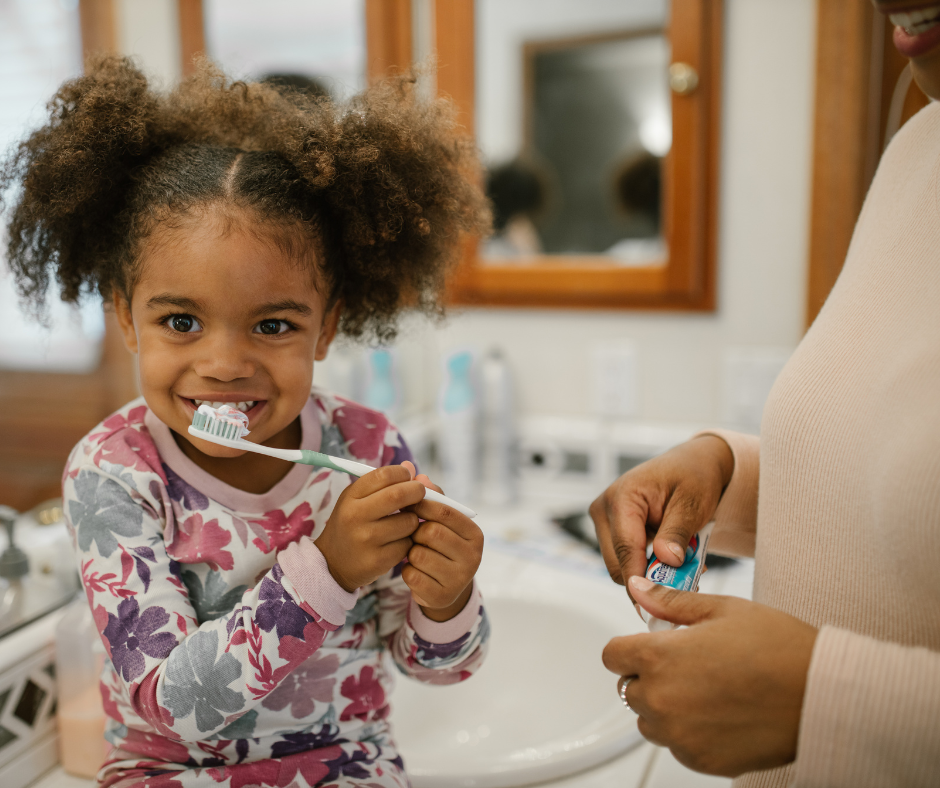
At Fort Dental Kids Dentistry and Orthodontics in Tukwila, WA, we understand the importance of starting good oral hygiene habits early. Baby teeth play a crucial role in helping children eat and speak properly, and they guide permanent adult teeth into their correct positions. This is why it’s essential to take care of your child’s teeth right from the start. In this comprehensive guide, we’ll cover when to start brushing your child’s teeth, how to do it effectively, and tips to make the process enjoyable for both you and your child.
The Importance of Early Toothbrushing
Brushing your child’s teeth from an early age helps remove bacteria and plaque that can cause tooth decay and gum disease. Regular brushing, twice a day, in the morning and before bedtime, is vital for maintaining your child’s oral health. Introducing toothbrushing early makes it a natural part of your child’s daily routine, helping to instill healthy habits that can last a lifetime.
When to Start Brushing Your Baby’s Teeth
You should start brushing your baby’s teeth as soon as the first tooth appears, usually around six months of age. Use a soft children’s toothbrush and water, or a soft wet cloth to wipe over teeth and gums. Ensure you clean all surfaces of the teeth and gums twice a day. This early start helps prevent painful issues like tooth decay and forms the foundation for a lifetime of good oral hygiene.
Choosing the Right Toothbrush and Toothpaste
Selecting the appropriate toothbrush and toothpaste for your child is crucial. Here are some guidelines:
- Toothbrush: Choose one designed for children with a small head and soft bristles.
- Toothpaste:
- For children 0–18 months: Use only water, no toothpaste.
- From 18 months to 6 years: Use a small pea-sized amount of low fluoride children’s toothpaste.
- From 6 years onwards: Use a pea-sized amount of standard fluoride toothpaste.
Flavored toothpastes, such as fruit-flavored ones, can be appealing to children. Ensure that any toothpaste you choose contains fluoride, as it is essential for protecting teeth against decay. For children at higher risk of decay, consult your oral health professional about the use of fluoride toothpaste or additional protective measures like tooth mousse.
How to Brush Your Child’s Teeth
Young children lack the dexterity to brush their teeth effectively on their own, so they need adult assistance. Here’s a step-by-step guide:
- Find a Comfortable Position: Have your child sit on your lap facing away from you with their head resting against your body.
- Brush All Surfaces: Clean every tooth thoroughly, including along the gum line, using gentle, small circular motions. Spend about two minutes brushing.
- Focus on Technique: Brush the inside and outside surfaces of each tooth and back and forth on the chewing surfaces.
- Spit, Don’t Rinse: After brushing, ask your child to spit out the toothpaste. Avoid rinsing with water to allow the fluoride to continue protecting the teeth.
If using an electric toothbrush, read the instructions carefully. Guide the brush to your child’s teeth first, then switch it on and move the head slowly from tooth to tooth, including along the gum line. Avoid pressing too hard; let the brush do the work.
Teaching Your Child to Brush
As children grow, they should be encouraged to take part in toothbrushing. Around age two or three, let them have a go first, then follow up to ensure all surfaces are clean. By age eight, children usually have the motor skills needed for effective brushing, but supervision might still be necessary until you’re confident in their ability.
Tips for Encouraging Toothbrushing
Not all children enjoy brushing their teeth initially, but with patience and creativity, you can make it a fun and engaging activity. Here are some tips:
- Make It Fun: Sing songs, make silly noises, or play a children’s toothbrushing video or app.
- Lead by Example: Have family members demonstrate their brushing routines.
- Storytime: Use dental-themed storybooks to teach children about brushing.
- Use Two Toothbrushes: Give your child one to hold and use, and use another to brush their teeth properly.
- Flavor Variety: If your child dislikes the taste of toothpaste, try brushing without it first, then introduce a small amount of a child-friendly flavored toothpaste.
- Change Locations: If brushing in the bathroom is challenging, try another part of the house.
- Reward System: Use a calendar to mark brushing times and offer rewards for consistent brushing.
Dental Checks for Children
It’s recommended that children have an oral health check by the time they turn two. This can be done by a dental professional or another health professional, such as a maternal and child health nurse or doctor. Regular check-ups are crucial as your child grows. Consult your oral health professional about the appropriate frequency of dental visits.
Conclusion
Starting early with good oral hygiene habits is essential for your child’s long-term dental health. At Fort Dental Kids Dentistry and Orthodontics in Tukwila, WA, we are committed to helping you and your child establish and maintain these habits. By following the guidelines and tips in this guide, you can ensure that your child develops a healthy, happy smile that lasts a lifetime. For more personalized advice and to schedule your child’s dental check-up, contact us today!