
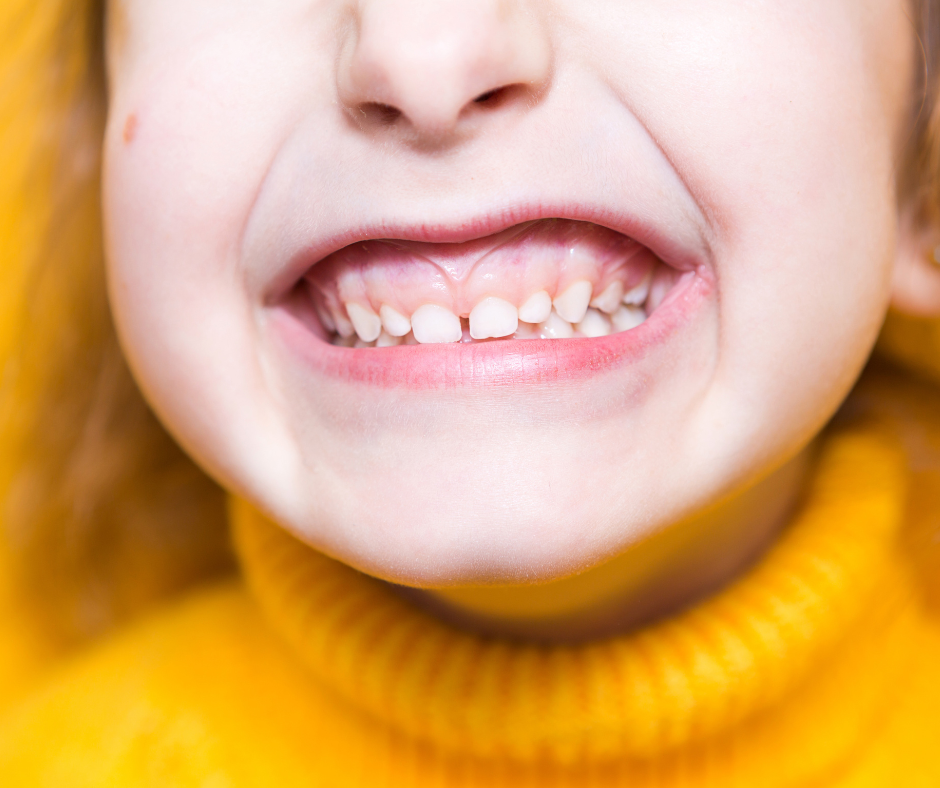
A Parent’s Guide to Understanding Bite Alignment
As parents, we notice when our child loses a tooth or gets their first braces adjustment — but bite alignment isn’t always as obvious. How the top and bottom teeth fit together plays a big role in chewing, speech, jaw development, and long-term oral health.
At Fort Dental Kids Dentistry and Orthodontics, one of the most common questions we hear is: “Is this normal, or should we be concerned?” Here’s what to look for when it comes to overbites and underbites.
What Is an Overbite?
An overbite happens when the upper front teeth overlap the lower front teeth vertically. A slight overlap is completely normal. It becomes a concern when the overlap is excessive (often called a “deep bite”).
Signs of an Overbite in Children
- The top teeth cover most or all of the bottom front teeth when biting down
- Lower teeth hit the roof of the mouth
- Jaw soreness or fatigue
- Worn or chipped lower front teeth
- Minor speech changes, like a lisp
Over time, a significant overbite can cause uneven tooth wear and strain on the jaw.
What Is an Underbite?
An underbite occurs when the lower front teeth sit in front of the upper front teeth when the mouth is closed. This often affects jaw appearance and function.
Signs of an Underbite in Children
- Bottom teeth extend past the top teeth
- A more prominent lower jaw or chin
- Difficulty chewing comfortably
- Speech challenges
- Mouth breathing in some cases
Underbites are often more noticeable than overbites and may worsen as a child grows if not monitored.
What Causes Bite Issues?
Several factors can influence how a child’s bite develops:
- Genetics (family history of braces or jaw issues)
- Prolonged thumb-sucking or pacifier use
- Tongue thrusting
- Early loss of baby teeth
- Differences in upper and lower jaw growth
Sometimes it’s one factor — often it’s a combination.
Why Early Evaluation Matters
The American Association of Orthodontists recommends children have their first orthodontic evaluation by age 7. That doesn’t mean braces will start right away. It simply allows specialists to monitor jaw growth and step in early if needed.
Early treatment can:
- Guide jaw development
- Reduce the severity of future treatment
- Prevent excessive wear on teeth
- Improve facial balance
- Support better breathing and speech
In many cases, early monitoring alone is enough — but identifying concerns early gives families more options.
What Parents Can Watch for at Home
You don’t need to be an expert to notice potential signs. Pay attention to:
- Teeth that don’t seem to line up properly
- Jaw shifting when your child bites down
- Frequent complaints about chewing
- Snoring or chronic mouth breathing
- Visible jaw imbalance
If something looks off, it’s worth asking about.
The Confidence Factor
Bite alignment isn’t just about appearance — but it does affect confidence. As kids grow, especially into pre-teen and teenage years, they become more aware of their smiles. Addressing bite issues early can protect both their oral health and self-esteem.
The Bottom Line
A small overlap is normal. A noticeable imbalance is worth checking.
Overbites and underbites affect more than just how teeth look — they influence chewing, speech, jaw comfort, and long-term dental health. The earlier they’re identified, the more flexible and conservative treatment can be.
If you’ve been wondering whether your child’s bite looks “normal,” you’re not alone — and you don’t have to guess.
The team at Fort Dental Kids Dentistry and Orthodontics is here to guide growing smiles every step of the way. 🦷✨