
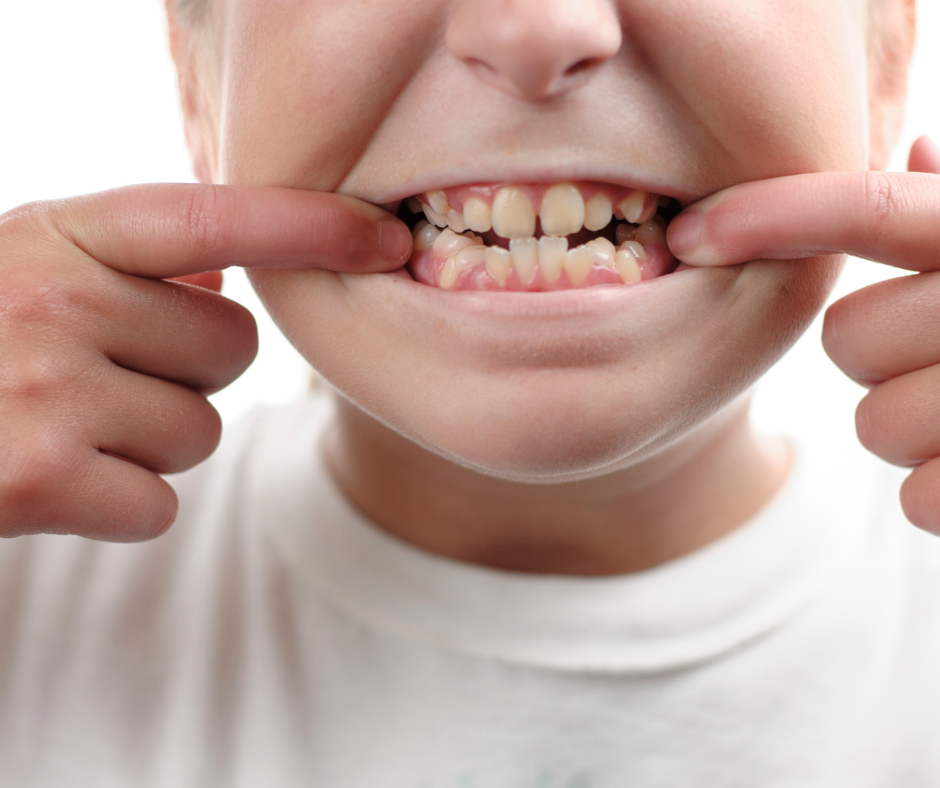
As your child grows and their smile begins to take shape, it’s natural to notice a few twists and turns along the way. Crooked teeth are incredibly common in children — and in many cases, they’re just a normal part of development. But how do you know when a little misalignment is no big deal, and when it’s time to take action?
At Fort Dental, we understand that your child’s smile is one of their most important assets. In this post, we’ll walk you through when to keep an eye on crooked teeth, when to worry, and what steps you can take to ensure your child’s oral health (and confidence!) stays strong through every stage.
Why Do Kids Get Crooked Teeth?
There are several reasons your child might have crooked teeth — and many of them are completely out of their control. Here are a few of the most common causes:
- Genetics: Just like eye color or height, the shape and alignment of your child’s teeth are often inherited.
- Early Tooth Loss: If baby teeth fall out too early, the surrounding teeth can shift into that space, causing misalignment.
- Thumb Sucking or Pacifier Use: Extended thumb sucking or pacifier use beyond age 3–4 can influence the position of developing teeth.
- Mouth Breathing: Breathing through the mouth instead of the nose can impact jaw development and alignment.
- Jaw Size & Shape: If there’s not enough room in the mouth for all the teeth to come in, crowding is likely to occur.
In many cases, a little bit of crookedness is temporary — especially while baby teeth are being replaced with adult teeth. But there are some signs that a more serious problem may be developing.
When Crooked Teeth Become a Concern
So when should you start to worry about crooked teeth? Here are some signs that it’s time to check in with a pediatric dentist or orthodontist:
1. Difficulty Chewing or Biting
If your child struggles to chew food properly or complains about pain while biting, their teeth might not be aligned correctly. This can lead to digestive issues, avoidant eating habits, or even jaw discomfort.
2. Speech Problems
Misaligned teeth or jaws can sometimes affect the way your child speaks. If you notice persistent speech delays or difficulties forming certain sounds, a dental evaluation could be a helpful next step.
3. Mouth Breathing or Snoring
Persistent mouth breathing, especially during sleep, may signal issues with jaw development or bite alignment. It can also lead to dry mouth and a higher risk of cavities or gum issues.
4. Overcrowding
If your child’s teeth are overlapping or growing in at odd angles, there may not be enough room in the mouth for all their permanent teeth. Early intervention can help guide the teeth into better positions before problems get worse.
5. Frequent Biting of the Cheeks or Tongue
Kids with bite issues (like underbites, overbites, or crossbites) may unintentionally bite the inside of their cheeks or tongue while talking or eating. This can cause pain, sores, and even infections if left untreated.
The Role of Early Dental Visits
One of the best ways to stay ahead of any potential issues is with regular dental checkups. According to the American Association of Orthodontists, kids should have their first orthodontic evaluation by age 7 — even if their teeth look fine to you!
Why so early? Around this age, most kids have a mix of baby and permanent teeth, and their jaws are still growing. This gives your dentist or orthodontist a chance to catch any developing alignment issues early on and recommend steps to prevent bigger problems later.
At Fort Dental Kids Dentistry & Orthodontics, our team takes a gentle, proactive approach to monitoring tooth and jaw development. We’ll let you know if your child is right on track — or if it’s time to start thinking about early intervention.
What Are the Treatment Options for Crooked Teeth?
Not every child with crooked teeth will need braces or orthodontic work right away. In fact, sometimes the best approach is to wait and watch. However, if treatment is needed, options may include:
1. Interceptive Orthodontics
Also known as Phase I orthodontics, this involves early treatment (typically between ages 6–10) to guide jaw growth, create space for developing teeth, and correct certain bite problems. This can reduce the need for more extensive treatment later.
2. Braces
Traditional braces are still one of the most effective ways to align teeth and correct bite issues. They can be used in both early and later stages of development, depending on your child’s needs.
3. Clear Aligners
For older kids and teens, clear aligners like Invisalign® may be an option for treating mild to moderate alignment issues — often with less visibility and more flexibility than braces.
4. Retainers or Space Maintainers
If baby teeth fall out too soon, a space maintainer can help prevent surrounding teeth from shifting. Retainers are often used after braces to maintain alignment.
Benefits of Addressing Crooked Teeth Early
Treating crooked teeth isn’t just about aesthetics — it’s also about protecting your child’s health and comfort. Here are a few long-term benefits of early orthodontic care:
- Better oral hygiene: Straight teeth are easier to brush and floss, reducing the risk of cavities and gum disease.
- Improved self-confidence: A healthy, aligned smile can give kids a big boost in self-esteem.
- Reduced risk of injury: Protruding teeth are more vulnerable to chips and injuries, especially in active kids.
- Less time in braces later: Early treatment can sometimes reduce or eliminate the need for full braces in the teen years.
Partnering with Fort Dental for a Healthy Smile
Every child’s smile is unique — and so is their journey toward healthy, aligned teeth. If you’ve noticed crooked teeth, bite issues, or any of the signs mentioned above, we’re here to help.
At Fort Dental, we specialize in providing comprehensive care for children’s dental and orthodontic needs. Whether it’s a quick checkup or a more detailed evaluation, we’ll make sure you and your child feel confident and informed every step of the way.
Let’s work together to protect those growing smiles.
If you’re concerned about your child’s teeth or just want peace of mind, schedule a visit with our friendly team today. We’re proud to offer expert, compassionate care — and smiles that last a lifetime.
Need to schedule an evaluation? Contact Fort Dental Kids Dentistry & Orthodontics today — your child’s future smile starts here! 🦷✨