
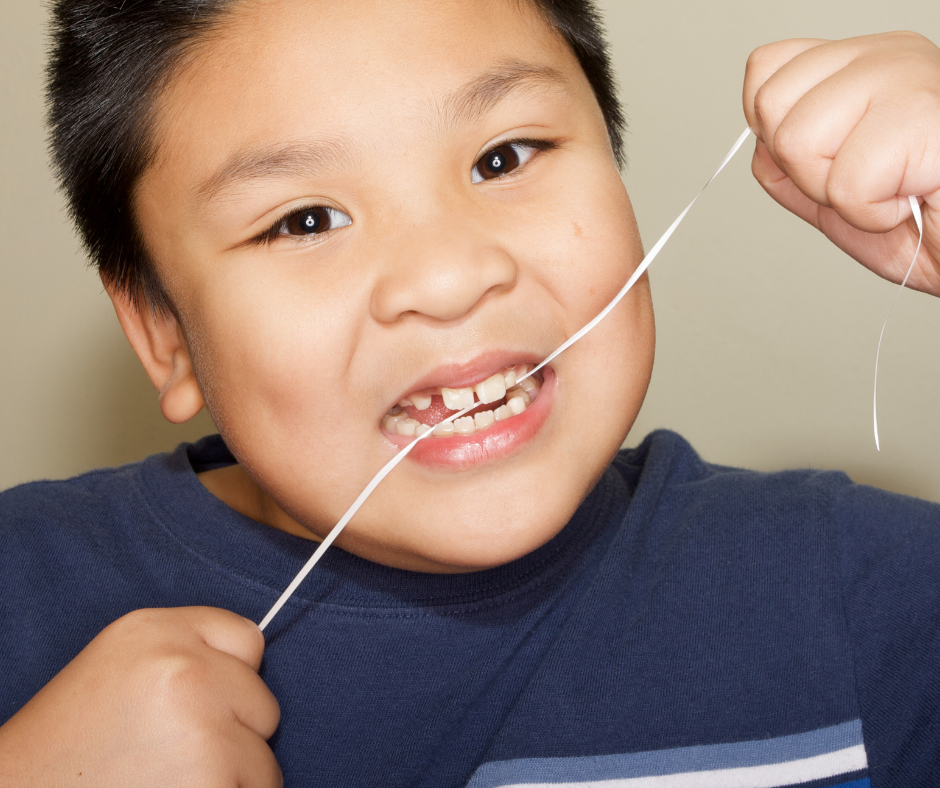
Flossing often gets a bad rap. It’s that one little step in a child’s (and let’s be honest—sometimes an adult’s) routine that feels easy to skip. After all, brushing twice a day is enough… right?
Not quite.
At Fort Dental Kids Dentistry and Orthodontics, we believe flossing isn’t just a good habit—it’s a crucial one. If you’ve ever wondered what really happens when flossing is ignored, you’re not alone. And while we’re not here to scare anyone, we are here to explain why those few seconds of flossing each day can make a world of difference for your child’s oral health.
Flossing 101: Why It Matters
First, a quick refresher. Brushing your teeth is essential for removing plaque, food particles, and bacteria from the front, back, and top surfaces of your teeth. But there’s one area your toothbrush just can’t reach: between the teeth.
Flossing gets into those tight spaces, removing the plaque and debris hiding out where toothbrush bristles can’t reach. Without flossing, nearly 35% of a tooth’s surface is left uncleaned. That’s like washing only the front of your hands and calling them clean!
So, What Happens If You Don’t Floss?
Let’s break it down—because skipping floss doesn’t just lead to bad breath. Here’s what could happen over time if flossing is left out of the daily routine:
1. Plaque Build-Up
Plaque is a sticky film made up of bacteria, saliva, and food particles. When not removed, especially from between the teeth, plaque hardens into tartar (also called calculus), which only a dental professional can remove.
Tartar is rough, yellow or brown in color, and creates a safe home for even more bacteria—setting the stage for cavities and gum issues.
2. Cavities Between the Teeth
Not all cavities show up in plain sight. The ones that hide between teeth are often harder to detect until they’ve become larger or cause discomfort. These “interproximal cavities” are common in children who don’t floss regularly.
They often require fillings, and in more advanced cases, can even lead to baby teeth needing to be removed early—affecting the spacing and development of permanent teeth.
3. Gum Disease (Even in Kids!)
Many parents associate gum disease with adults, but gingivitis (the early stage of gum disease) is increasingly common in kids and teens—especially those with braces or poor oral hygiene habits.
Signs include:
- Red, swollen gums
- Gums that bleed during brushing or flossing
- Bad breath that doesn’t go away
Left untreated, gingivitis can progress to periodontitis, a more serious form of gum disease that affects the bones supporting teeth. This is rare in young children, but early prevention is key.
4. Orthodontic Setbacks
If your child has braces, aligners, or any other orthodontic appliances, flossing becomes even more important. Food and plaque can easily build up around brackets and wires, leading to white spots, gum swelling, and decay—issues that could extend or complicate treatment.
Plus, healthy gums and teeth respond better to orthodontic movement. Poor hygiene during ortho treatment can mean delays or less predictable results.
5. Bad Breath (a.k.a. Halitosis)
Let’s face it—kids don’t want to be known as “the one with stinky breath.” And neither do parents.
When food particles and bacteria are allowed to stay between teeth, they begin to break down, releasing unpleasant odors. Regular brushing and flossing is the most effective way to keep breath fresh.
The Good News: It’s Never Too Late to Start
The best time to teach a child to floss is early—even when they still have baby teeth. Starting around age 2–3, parents can gently floss between their child’s teeth where there’s no space. As kids get older (typically around age 8–10), they can begin to take over with supervision.
It doesn’t have to be perfect overnight. Like tying shoes or learning to ride a bike, flossing is a skill that takes a little time and practice.
Helpful Tips for Parents
- Make It Routine: Pair flossing with brushing so it becomes a natural part of bedtime or morning habits.
- Choose the Right Tools: Floss picks or kid-friendly flossers can make it easier for little hands to reach.
- Keep It Short & Sweet: It doesn’t need to take more than 1–2 minutes. Show your child how to slide the floss gently between each tooth in a C-shape and move it just below the gumline.
- Lead by Example: Kids who see their parents floss are more likely to make it a habit themselves.
What If My Child Hates Flossing?
That’s normal! Lots of kids resist flossing at first. Here are a few ways to make it easier:
- Turn on a song and floss to the beat.
- Let them choose their flossers or toothpaste flavor to create a sense of ownership.
- Use a sticker chart or small reward system for flossing streaks.
- Keep it low-pressure. If you miss a day, just pick back up the next one.
Let Fort Dental Help
Whether you’re working to build better habits or dealing with the effects of skipped flossing, we’re here to help without judgment. During your child’s visits, we can offer personalized tips, demonstrate proper flossing techniques, and keep an eye out for any early signs of decay or gum issues.
Flossing isn’t just a “nice to have.” It’s one of the simplest and most powerful tools for keeping your child’s smile healthy and bright for years to come.
In Summary
If you never floss, you’re missing a major part of the oral health equation—one that protects against plaque, cavities, gum disease, and bad breath. But with the right tools, encouragement, and guidance, flossing can become a normal (and even easy!) part of your child’s daily routine.
Still have questions about flossing or your child’s dental health? Reach out to the team at Fort Dental Kids Dentistry and Orthodontics. We’re always here to help your family smile with confidence.