
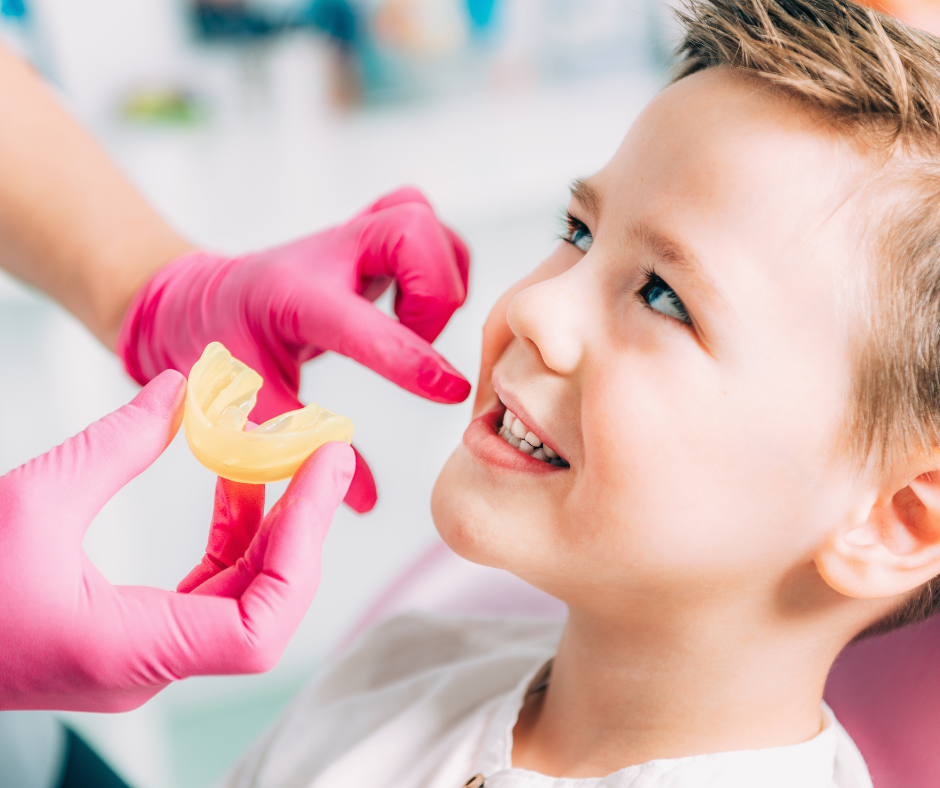
As a parent, ensuring your child’s oral health is in good hands goes beyond regular cleanings and check-ups. One of the most crucial steps in achieving a healthy, confident smile is early orthodontic assessment. Many parents may not realize it, but the earlier a potential orthodontic issue is identified, the easier it is to prevent more serious complications down the road. At Fort Dental Kids Dentistry and Orthodontics, we believe that early evaluations can set kids on the right path toward optimal dental alignment, leading to healthier teeth, a more comfortable bite, and even fewer interventions as they grow older.
In this blog post, we’ll explore the importance of early orthodontic assessments, what issues they can identify, and how addressing them early can help your child avoid more serious dental problems later on.
What is an Early Orthodontic Assessment?
An early orthodontic assessment is a comprehensive evaluation by a pediatric dentist or orthodontist, typically around the age of 7, to determine if your child’s teeth, jaws, and bite are developing properly. This is before braces or other orthodontic treatments are needed. The goal of the assessment is to catch potential orthodontic problems early, allowing for easier treatment and, in some cases, the prevention of more serious issues in the future.
While you might not see a reason to start orthodontic evaluations until your child’s permanent teeth start coming in, early evaluations give your dentist or orthodontist the opportunity to detect and address potential issues before they become more complex.
Why Early Orthodontic Evaluations Are Important
1. Identifying Issues Early
The American Association of Orthodontists recommends that every child have an orthodontic evaluation by age 7. By this time, most kids have a mix of baby and permanent teeth, which allows the orthodontist to spot emerging issues such as overcrowding, spacing problems, bite misalignments (such as overbites or underbites), or jaw discrepancies.
We understand that early intervention is key to avoiding more extensive treatment later. Identifying these issues early allows us to begin addressing them before they interfere with your child’s natural development. For example, if we notice an overbite or other bite issue, early treatments like space maintainers or orthodontic appliances can be used to guide the teeth into proper alignment as the permanent teeth come in.
2. Preventing More Complex Treatments Later On
When orthodontic issues are left untreated for too long, they can lead to bigger problems as your child grows. Misalignments can worsen, resulting in more severe overcrowding, shifting teeth, and even jaw misalignments that may require more invasive treatments, like full braces, extractions, or surgery. Early assessment can reduce the need for these complex procedures by addressing problems at a manageable stage.
For example, if a child is identified as having significant crowding, an early intervention like expanders or retainers can make space for incoming teeth, preventing the need for more drastic treatments in the future. This can significantly reduce the time and cost of orthodontic care later on.
3. Boosting Self-Esteem and Confidence
We know how important self-esteem is for kids, and dental health plays a significant role in how they feel about their appearance. If a child has noticeable issues like crooked teeth, gaps, or bite problems, they may become self-conscious, which can affect their social interactions and confidence. Addressing these issues early can improve their smile and self-esteem, helping them feel more confident as they grow. The sooner these problems are corrected, the less likely they are to cause long-term emotional and social challenges.
4. Improving Functionality of Teeth and Bite
Orthodontic issues can often affect how a child’s teeth function. Misaligned teeth and jaw problems can lead to difficulty chewing, speaking, and even breathing. Bite problems like an overbite, underbite, or crossbite can result in uneven wear on teeth, making them more vulnerable to damage or decay. Early evaluations help identify these problems and can lead to treatments that improve your child’s ability to eat, speak, and maintain healthy teeth as they grow.
Addressing these functional issues early on ensures that your child will have a more comfortable bite, reducing the likelihood of developing problems like jaw pain, tooth wear, and tooth sensitivity as they age.
5. Preventing Future Tooth Damage
Crooked or misaligned teeth are more challenging to clean properly, increasing the likelihood of cavities and gum disease. Early orthodontic evaluations can help ensure that your child’s teeth are positioned in a way that makes brushing and flossing easier, promoting better long-term oral health.
Moreover, issues like teeth grinding (bruxism) can be identified early, and solutions like nightguards can be provided to protect the teeth from wear and tear. The earlier we identify these concerns, the less likely they are to lead to significant tooth damage or decay.
What Happens During an Early Orthodontic Assessment?
During an early orthodontic assessment at Fort Dental, the pediatric dentist or orthodontist will perform a thorough examination of your child’s teeth, jaws, and bite. This may include:
- Taking X-rays: These will help us see the positioning of permanent teeth that are still beneath the gums and identify potential issues with jaw development.
- Assessing bite and tooth alignment: We will evaluate how your child’s upper and lower teeth fit together and look for any signs of misalignment, crowding, or bite problems.
- Tracking growth patterns: The early evaluation helps us monitor your child’s growth and identify any irregularities in their dental and skeletal development that may require early intervention.
If the evaluation reveals any issues, the orthodontist will recommend a personalized treatment plan, which may include early treatments like spacers, retainers, or even early braces, depending on the severity of the problem.
When Should My Child Have an Orthodontic Assessment?
The American Association of Orthodontists recommends that children have their first orthodontic evaluation by age 7. While this might seem early, this is the ideal time to spot any developing issues and get your child started on the path to a healthier, straighter smile. Keep in mind that not every child will need immediate treatment, but it’s crucial to have an assessment at this age to ensure that any issues are caught early.
Early orthodontic assessments are a key step in promoting long-term dental health and ensuring that your child’s teeth and bite develop correctly. We believe that by identifying potential issues early, we can help prevent more serious problems and create a customized plan to guide your child toward a healthier, more confident smile. Early evaluation doesn’t just set the stage for a beautiful smile—it also protects your child’s oral health for years to come.
If you haven’t scheduled an orthodontic evaluation for your child yet, contact us today to schedule their appointment. We’re here to help set your child on the path to great dental health!