
The Importance of Baby Teeth: Why Early Dental Care Matters
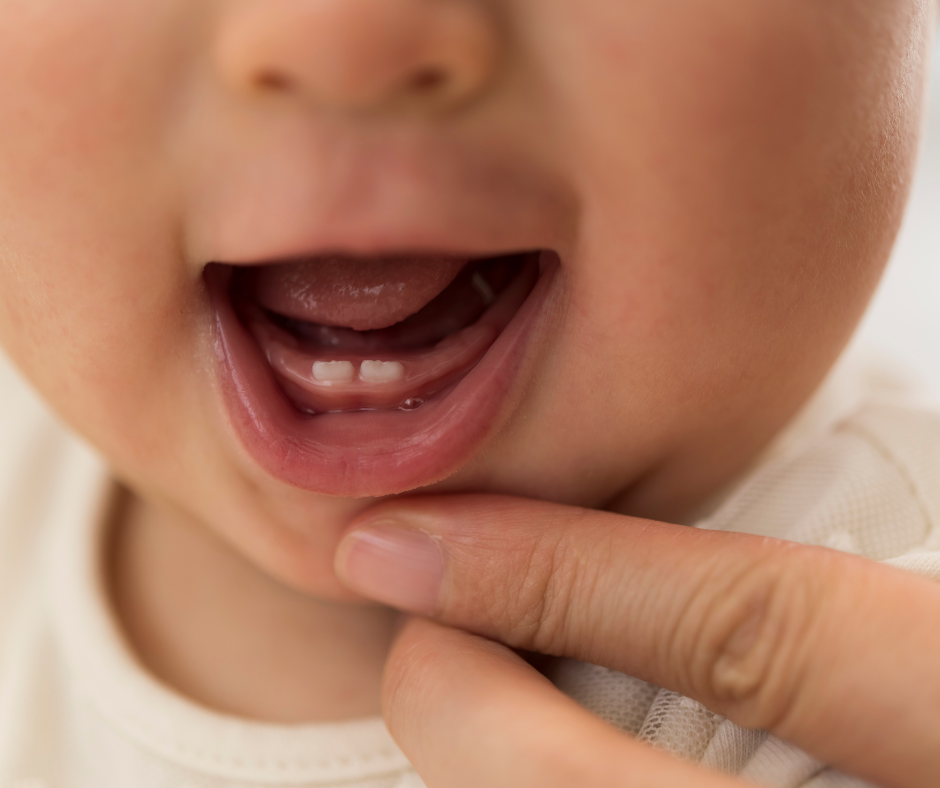
When it comes to your child’s health and development, their teeth play a more critical role than you might realize. Many parents assume that because baby teeth, or primary teeth, will eventually fall out, they don’t require much attention. However, nothing could be further from the truth. Baby teeth are essential for a child’s overall health and development, and taking care of them sets the stage for a lifetime of good oral health.
At Fort Dental Kids Dentistry and Orthodontics, we believe that understanding the importance of baby teeth can help parents take the necessary steps to ensure their child’s smile remains healthy from the very start. Let’s dive into why baby teeth matter and why early dental care is crucial.
What Are Baby Teeth?
Baby teeth, also known as primary teeth, are the first set of teeth that emerge in a child’s mouth. Typically, a baby’s first tooth appears between 6-12 months, and by the time they are about 3 years old, most children will have a full set of 20 primary teeth. While these teeth will eventually fall out to make way for permanent teeth, they serve essential functions during the early stages of a child’s life.
Why Are Baby Teeth Important?
1. Chewing and Nutrition
Baby teeth play a crucial role in a child’s ability to chew and eat a variety of foods. When these teeth are healthy and intact, they help children break down food more efficiently, making it easier for them to absorb the necessary nutrients for growth and development. If a child experiences tooth decay or loses a baby tooth prematurely, it can affect their ability to eat properly, leading to nutritional deficiencies and potential growth issues.
2. Speech Development
Baby teeth are also vital for a child’s speech development. As children learn to form words and sounds, they rely on their teeth, lips, and tongue to articulate correctly. Missing or damaged teeth can make it challenging for a child to pronounce certain sounds, which may lead to speech delays or difficulties. By keeping baby teeth healthy, parents can support their child’s language and communication skills.
3. Guiding the Growth of Permanent Teeth
One of the lesser-known roles of baby teeth is their function as placeholders for permanent teeth. Baby teeth maintain the correct spacing and alignment in the jaw, ensuring that the permanent teeth have enough room to emerge in their proper positions. If a baby tooth is lost too early due to decay or injury, neighboring teeth can shift into the empty space, leading to crooked or crowded permanent teeth. This can increase the need for orthodontic treatment later in life.
4. Boosting Self-Esteem and Social Development
A healthy smile can significantly impact a child’s confidence and social interactions. Children with decayed or missing teeth may feel self-conscious and avoid smiling, speaking, or interacting with peers. By prioritizing dental care and maintaining healthy baby teeth, parents can help their children develop positive self-esteem and feel more confident in social settings.
The Risks of Ignoring Early Dental Care
Neglecting early dental care can have far-reaching consequences beyond the health of baby teeth. Here are some potential risks associated with poor oral hygiene in young children:
1. Tooth Decay and Cavities
Baby teeth are more susceptible to decay because their enamel (the hard outer layer) is thinner than that of permanent teeth. Without proper care, cavities can form quickly, causing pain, infection, and even abscesses. If left untreated, this can result in tooth loss and damage to the developing permanent teeth beneath the gums.
2. Gum Disease
Just like adults, children can develop gum disease (gingivitis), which is an inflammation of the gums caused by plaque buildup. Gingivitis can cause red, swollen, and bleeding gums, leading to discomfort and potential complications for the developing permanent teeth. Establishing good oral hygiene habits early on can prevent gum disease and ensure a healthy mouth.
3. Impact on Overall Health
Oral health is closely linked to overall health. Infections or untreated decay in the mouth can spread to other areas of the body, leading to more severe health issues. Poor oral health has been associated with conditions such as diabetes, respiratory infections, and heart disease. By prioritizing your child’s dental care, you are supporting their overall health and well-being.
Tips for Caring for Baby Teeth
Now that we’ve established the importance of baby teeth, let’s discuss some practical tips to help you care for your child’s teeth and maintain their oral health.
- Start Early:
Begin oral care even before your baby’s first tooth appears. Use a soft, damp cloth to gently wipe their gums after feedings. Once the first tooth emerges, start brushing with a small, soft-bristled toothbrush and a smear of fluoride toothpaste.
- Brush Twice a Day:
Make brushing a routine activity—twice a day, in the morning and before bed. For children under three, use a small amount of fluoride toothpaste (about the size of a grain of rice), and for those aged three and older, use a pea-sized amount.
- Floss Daily:
Once your child has two teeth that touch, it’s time to start flossing. Flossing removes food particles and plaque from between teeth, areas that brushing alone cannot reach.
- Limit Sugary Foods and Drinks:
Sugary foods and drinks can contribute to tooth decay. Avoid giving your child sugary snacks, juices, or sodas. Instead, offer water, milk, fruits, and vegetables as healthier alternatives.
- Schedule Regular Dental Visits:
Bring your child for their first dental visit by their first birthday or within six months of their first tooth coming in. Regular checkups every six months will allow your child’s dentist to monitor their oral development and address any issues early.
Making Dental Visits a Positive Experience
Introducing your child to the dentist at an early age can help them feel more comfortable and less anxious about dental care. At Fort Dental Kids Dentistry and Orthodontics, we strive to create a welcoming and fun environment for young patients. Our team uses child-friendly language, gentle techniques, and positive reinforcement to make each visit a positive experience.
Prepare your child for their dental appointment by talking about what to expect in a positive and upbeat manner. Avoid using any negative language or describing procedures in a way that might sound scary. Instead, focus on how the dentist helps keep their smile bright and healthy.
Final Thoughts
Baby teeth may only be temporary, but their impact on your child’s health, development, and confidence is long-lasting. Prioritizing early dental care is one of the best things you can do to set your child up for a lifetime of good oral health. By establishing good habits, visiting the dentist regularly, and making dental care a positive experience, you can help your child enjoy a healthy smile and avoid potential complications in the future.
If you have questions about your child’s oral health or want to schedule their first appointment, the team at Fort Dental Kids Dentistry and Orthodontics in Tukwila, WA, is here to help. Contact us today and take the first step towards a lifetime of healthy smiles!